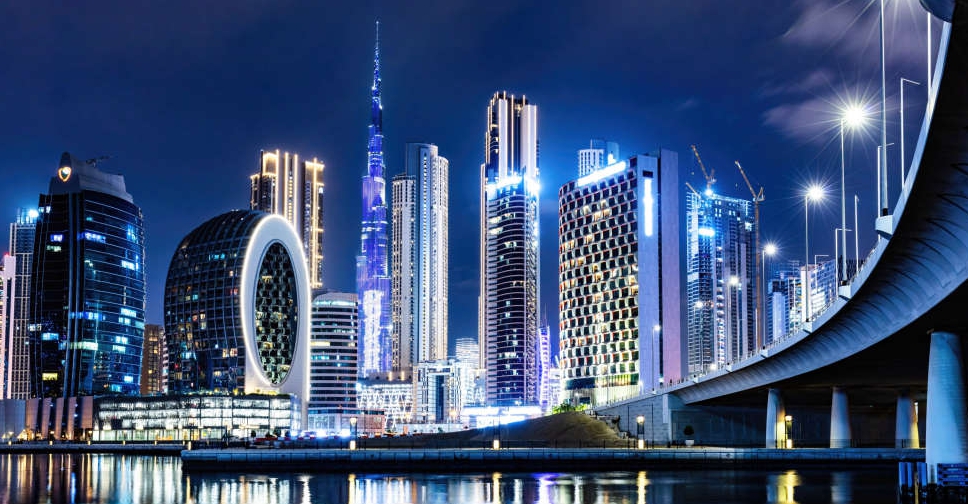
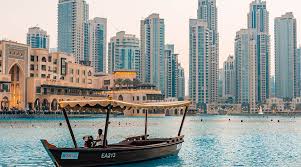
ASHUTOSH DHIRENDRA : Dubai’s meteoric rise has turned it from a desert outpost into a thriving global business hub. Over 200,000 professionals move to Dubai each year, swelling its population (from 3.3M in 2019 to 3.5M in 2022). This influx reflects Dubai’s broad appeal: economic dynamism, tax perks, high-quality living, and career opportunities that are hard to match elsewhere.
Economic Opportunities and Growth
Dubai’s economic growth is robust. Its GDP grew about 3.3% in Q2 2024, with strong gains in transportation (+7.8%), information/communications (+5.6%), tourism (+4.7%) and finance. Diversified non-oil industries (technology, finance, healthcare, logistics, hospitality) are expanding rapidly. Unemployment has fallen to roughly 3.3% (2022), helped by policies like the recent unemployment insurance scheme. Analysts project non-oil GDP growth of around 5.8% in 2025.
In practice, this means many high-demand jobs across sectors: for example, foreign direct investment jumped 39% in Q1 2025 (23 new firms entered), and tourism is surging (9.3 million visitors in H1 2024, +9%). Hotels, airlines, construction, and services are hiring aggressively. Salaries are rising too: many companies plan 4–5% pay hikes in 2024 to attract talent. In short, Dubai offers a broad job market in fast-growing fields, far above what many older economies can match.
Tax Benefits and Business Incentives
Taxes: Dubai is famous for its tax-free earnings. Residents pay no personal income tax and generally no capital gains tax, so nearly 100% of a salary becomes take-home pay. Companies in 50+ free zones enjoy 0% corporate tax (often guaranteed for decades). (Even after a modest 5% VAT was introduced in 2018, Dubai’s overall tax burden remains far below that in Western countries.) These fiscal advantages translate into significant savings. For instance, one IT engineer noted that with Dubai’s 0% tax and moderate living costs, his savings potential “leads” compared to living in the US or India. In concrete terms, a $100,000 salary in Dubai effectively nets the full $100k (no tax), whereas in the US or Europe, the same salary might only yield ~$60–70k after taxes. Many jobs also include extra perks (housing or schooling allowances), which further stretch a salary. Combined, these benefits often mean an expat in Dubai can save 20–30% more of their income than peers back home.
Modern Infrastructure and Connectivity
Infrastructure: Dubai’s transport and utilities are world-class. Dubai International Airport (DXB) handled a record 92.3 million passengers in 2024, making it the busiest international airport globally. Within the city, a modern metro, expansive highways, and the vast Jebel Ali seaport handle huge traffic efficiently. Technology is advanced: Dubai has ~99% internet penetration and city-wide 5G coverage. In fact, 93% of expats rate Dubai’s road quality as excellent (the highest score worldwide). The government continuously reinvests: for example, the new Al Maktoum International Airport (Dubai World Central) is under construction and planned to eventually surpass DXB in capacity. The Dubai Metro (now ~75 km of track) is still expanding, and even futuristic projects (like a proposed hyperloop to Abu Dhabi) are under study. In digital government services, 84% of expats report satisfaction, reflecting easy online portals for visas, bills, and licensing. In all, Dubai’s physical and digital infrastructure is continually upgraded, often surpassing older global cities in modernity and connectivity.
Vibrant, Cosmopolitan Lifestyle
Dubai offers a vibrant, international lifestyle. Over 200 nationalities live there (90% expats), so the city has restaurants, shops, and cultural events from around the world. Expats rank the UAE 4th globally for quality of life; 84% praise its dining variety and nightlife. Year-round sunshine and warm weather support outdoor leisure – beaches, parks, sports events, and concerts are constantly available. Dubai’s shopping malls and entertainment venues are unmatched in scale, and residents benefit from top-notch services: 93% of expats rate the road network highly, and virtually everyone has fast internet. For example, the annual Dubai Shopping Festival (every January) brings big sales and city-wide events, and global sports (golf, tennis) and cultural festivals occur year-round. Dubai is also known as “a great place for families looking for a more international setting”. It has dozens of international schools and top-tier healthcare: Dubai consistently ranks in the top 5 worldwide for hospital quality. An expat survey found that 80% of newcomers found the UAE visa process easy, helping families settle quickly. Combined with the emirate’s very low crime rate, many families say Dubai feels exceptionally safe and convenient. All told Dubai’s cosmopolitan mix – from world-class malls to desert adventures – provides a lifestyle that few othercities can match.Safety and Security
Safety: Dubai’s reputation for safety is outstanding. In global rankings, UAE cities dominate the top spots (Dubai’s Safety Index was ~83.9 in 2024, placing it among the world’s safest large cities). The country’s crime index is very low (UAE ~15.6). Violent crime, street theft, or vandalism are extremely rare. Strict laws and efficient policing help: for example, traffic violations carry heavy fines, and firearms are tightly controlled. Even minor crime is unusual – many residents report using smartphones or bicycles unlocked without worry. For working professionals and their families, this high security means true peace of mind: walking home at night is generally worry-free, a stark contrast to many big cities.
Work Culture and Employee Benefits
Dubai’s work culture blends international business standards with local values. Companies range from global banks to homegrown tech startups, so English is the workplace language and performance drives advancement. At the same time, personal relationships and respect are important: colleagues often greet one another with small talk or coffee before diving into meetings. The standard workweek is Sunday–Thursday (9 am–5 pm). Crucially, labor laws grant full-time workers 30 days paid annual leave plus public holidays, and 45 days full-pay maternity leave. These generous entitlements exceed what many countries provide, supporting a strong work-life balance. In 2019 the UAE even introduced formal part-time and remote work visas to boost flexibility. Employers typically provide private health insurance for employees (often covering dependents), and many companies host team outings or social events (Ramadan iftars, barbecues, etc.) to build camaraderie. In thisdynamic, growth-oriented market, promotions and merit-based raises often come quickly for high performers.Visa and Immigration Advantages
Dubai’s visa and residency policies are notably expat-friendly. The UAE has introduced long-term visas to attract talent: for instance, the 5-year “Green Visa” (2023) lets skilled workers and entrepreneurs sponsor themselves, without a local employer. The expanded 10-year Golden Visa program grants long-term residency to investors, researchers, doctors, educators, and other specialized professionals. These visas also cover dependents: spouses and children (and in many cases even parents) can live in the UAE under the same permit. Dubai even offers a Remote Work Visa (launched in 2021) allowing overseas employees to reside locally while keeping jobs abroad. In practice, these options give foreigners stability – in fact, about 80% of expats report that obtaining a UAE visa was easy. Many find this far simpler than the lengthy processes at home. Combined with policies (like free zones) allowing 100% foreign business ownership, Dubai lets professionals and entrepreneurs relocate with minimal red tape.
Looking Ahead: Future Growth and Innovation Dubai isn’t resting on its laurels. Its leaders have outlined an ambitious future vision. Under the “Dubai Economic Agenda D33” (to 2033), the goal is to be a global hub for technology, finance, and green growth. New sectors are being emphasized: Dubai’s AI strategy targets world leadership by 2031, and large projects like the Mohammed bin Rashid Solar Park (expanding to supply 100% clean energy by 2050) are underway. Legacy projects continue to pay off: the Expo 2020 site has been redeveloped into “District 2020,” an innovation district attracting startups and researchers. Dubai also regularly hosts major events (like the 2023 COP28 climate summit), underlining its role in global initiatives. Economists forecast that UAE GDP will keep growing ~5–6% annually as infrastructure, fintech, tourism, and manufacturing expand. For professionals, this means more cutting-edge job opportunities in sectors ranging from renewable energy to aerospace and beyond.Expat Perspectives
These factors are confirmed by those who have moved here. One Indian software engineer compared life in Dubai, India, and the USA and found that Dubai’s 0% income tax and reasonable living costs let it “lead” in savings. “Dubai stands out with 0% income tax,” he noted – a reality that significantly boosted his take-home pay. Similarly, expats from Europe, Asia, and the Americas consistently cite higher take-home salaries, strong career growth, and a safe environment as their top reasons. An industry report even described Dubai as “emerging as an attractive destination in 2024,” thanks to its robust economy and rising wages. These experiences echo the data above: high salaries, tax advantages, modern services, and safety – a combination unique to Dubai. In summary, Dubai’s unique mix of a booming economy, tax-free income, and modern amenities makes it a top choice for professionals. These combined benefits explain why many choose to work in Dubai over other countries, and why its appeal is expected to grow in the years ahead.