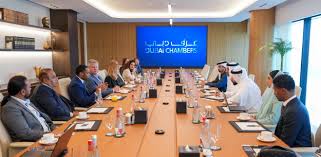
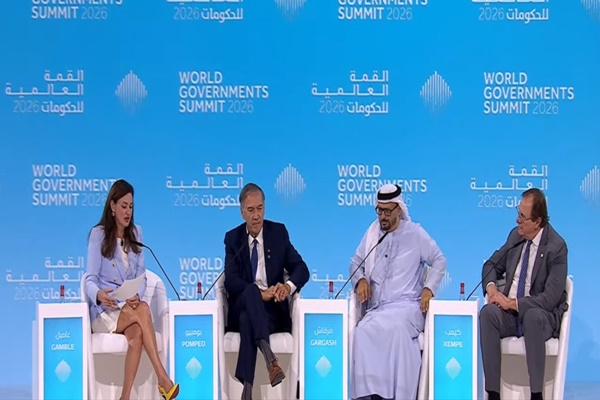
The World Governments Summit (WGS) 2026 took place in Dubai from February 3 to February 5, 2026, under the theme “Shaping Future Governments.” Regarded as one of the most important global platforms for public policy and governance innovation, this summit brought together leaders, experts, innovators and decision-makers from across the world to share insights, forge partnerships and plan actionable solutions for the future of governance.
Purpose and Significance
The World Governments Summit aims to provide a collaborative global forum where governments can explore new strategies for managing rapid global changes — from emerging technologies and economic transitions to societal wellbeing and urban development. More than a diplomatic gathering, it focuses on practical ideas that can be translated into policies and programs that improve lives worldwide.
- Historic Scale and Global Participation
- The 2026 summit set new records in terms of international leadership and attendance:
- More than 60 heads of state and government and their deputies participated.
- Over 500 ministers from different countries attended.
- Representatives from 150+ governments took part.
The event also included over 700 CEOs of leading global corporations, 87 laureates of major scientific awards (including Nobel Prize winners), and delegates from 80+ international and regional organisations and academic institutions.
Total participation exceeded 6,250 decision-makers, experts and influencers.
This expansive participation highlights the summit’s evolution as a premier global forum where public-sector leadership intersects with private innovation and academic expertise.
Warm Welcome and Opening Leadership Messages
The summit opened with welcome addresses by UAE leaders, reinforcing the UAE’s role as a facilitator of global dialogue and cooperation.
His Highness Sheikh Mohamed bin Zayed Al Nahyan, President of the UAE, and His Highness Sheikh Mohammed bin Rashid Al Maktoum, Vice President, Prime Minister of the UAE and Ruler of Dubai, welcomed delegates and emphasised collective action, international cooperation and shaping a hopeful future amid global challenges.
Agenda Structure and Major Elements
1. Core Themes
The summit’s program was structured around five major thematic pillars, with each guiding a set of sessions and discussions:
- Global Governance and Effective Leadership
- Societal Wellbeing and Building Capacities
- Economic Prosperity and Strategic Investments
- Urban Future and Evolving Demographics
- Future Realities and Emerging Frontiers
These themes framed conversations around how governments can anticipate and respond to rapid social, technological, economic and environmental shifts.
2. Sessions and Forums
The summit hosted an expansive programme with:
- More than 445 sessions featuring 450+ global speakers including heads of state, ministers, experts and thought leaders.
- 25 global forums exploring sector-specific trends and innovations.
- 45+ ministerial and high-level meetings focused on priority policy areas.
- Examples of meetings and forums included:
- Arab Finance Ministers Meeting – discussions on fiscal policy and economic stability.
- World Councils Meeting on Sustainable Development Goals (SDGs).
Youth Ministers and Arab Youth Leadership Meetings – emphasizing the role of young people in shaping future governance.
Future of Tourism, Sport, Retail, Aviation and Investment Roundtables – sector-level dialogues on trends and opportunities.
Latin America & Caribbean Investment Forum, organised with the International Finance Corporation — aimed at expanding sustainable investment partnerships.
Strategic Knowledge Outputs
A valuable output of the summit includes the publication of 36 strategic reports developed with international knowledge partners. These are designed to provide policy frameworks, data-driven insights and actionable recommendations for governments around the world.
The summit also featured the third edition of the Global Ministers Survey, aimed at capturing insights from government ministers worldwide on priority issues and future policy directions.
Recognitions and Awards
- To celebrate excellence in public service and innovation, the summit presented a number of prestigious awards:
- Best Minister Award
- Most Reformed Government Global Award
- Dubai International Best Practices Award for Sustainable Development
- Global Teacher Prize, recognising outstanding contributions to education and learning excellence.
- These awards highlight government success stories and innovative practices that can be scaled or adapted globally.
- Logistics and Hosting Details
- With the summit’s large scale and extensive participation, Dubai’s authorities implemented special arrangements:
- Restricted vehicle access and dedicated shuttle services were provided to manage traffic around key venues.
- Parking advisories and public transport options were coordinated to ensure smooth mobility for delegates and visitors.
- The venue setup included designated zones, transport links via bus and metro, and visitor support services.
- Global Impact and Future Outlook
The World Governments Summit 2026 reinforced its role as a global catalyst for dialogue and collaborative policy action on issues shaping humanity’s future — such as AI governance, economic resilience, sustainable development, inclusive growth, and urban transformation.
By convening diverse stakeholders from governments, international organisations, business, science and civil society, the summit aims to accelerate collective governance solutions that are forward-looking, inclusive and actionable in an age of rapid change.