Dubai’s Air Taxi Revolution and the Rise of Driverless Cars
Dubai has always positioned itself at the forefront of innovation, turning ambitious ideas into reality. From record-breaking skyscrapers to smart city initiatives, the emirate continues to redefine urban living. The next major leap in this journey is already underway: air taxis and driverless cars—technologies that promise to transform how people move across the city.
Dubai’s Air Taxi: The Future Takes Flight
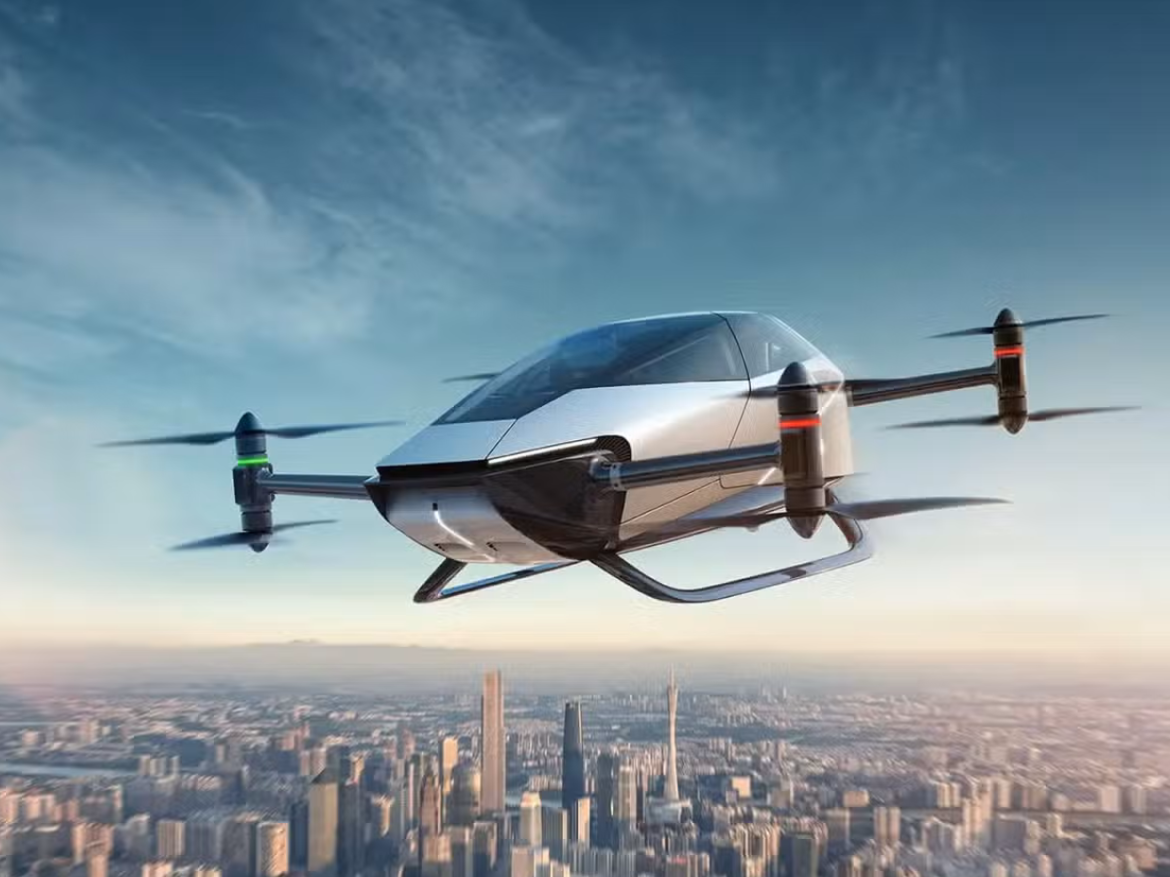
Dubai is preparing to launch electric air taxis, marking a historic shift in urban transportation. These air taxis are designed to reduce travel time, ease road congestion, and offer an eco-friendly alternative to traditional transport.
Developed in collaboration with global aviation technology companies, Dubai’s air taxis will feature:
-
Vertical take-off and landing (VTOL) capability
-
Zero-emission electric propulsion
-
Quiet operation suitable for urban environments
-
Advanced safety systems and autonomous navigation
Strategic locations such as Downtown Dubai, Dubai International Airport, Palm Jumeirah, and Dubai Marina are expected to host dedicated “vertiports,” allowing seamless integration between air and ground transport. A journey that currently takes 30–45 minutes by road could be completed in just 10 minutes by air.
Driverless Cars: Redefining Road Travel
Alongside air taxis, Dubai is rapidly expanding the use of driverless and autonomous vehicles. As part of the Dubai Smart City vision, the emirate aims to make a significant percentage of all trips autonomous in the coming years.
Driverless cars in Dubai are powered by:
-
Artificial intelligence and machine learning
-
Advanced sensors, radar, and LiDAR systems
-
Real-time traffic data and smart road infrastructure
These vehicles are designed to enhance road safety, reduce human error, and provide comfortable, efficient mobility. Autonomous taxis and buses are already being tested in selected zones, setting the stage for citywide adoption.
Economic and Environmental Impact
The introduction of air taxis and autonomous vehicles is expected to deliver strong economic and environmental benefits:
-
Reduced traffic congestion and travel delays
-
Lower carbon emissions and improved air quality
-
Creation of high-tech jobs in AI, aviation, and mobility services
-
Boost to tourism through futuristic travel experiences
Dubai’s leadership sees smart mobility as a key pillar of sustainable urban growth.
Safety, Regulation, and Public Trust
Safety remains a top priority. Both air taxis and driverless cars must meet strict regulatory standards set by aviation and transport authorities. Continuous testing, pilot programs, and public awareness campaigns are helping build trust in these next-generation systems.
Dubai’s proactive regulatory framework ensures that innovation progresses responsibly, balancing technology with public safety.
A Glimpse into Tomorrow’s Dubai
Dubai’s vision goes beyond convenience—it is about creating a city where technology enhances quality of life. Air taxis will reshape the skyline, while driverless cars will redefine everyday commuting. Together, they represent a bold step toward a smarter, cleaner, and more connected future.
Conclusion
With air taxis preparing for take-off and driverless cars steadily rolling onto its roads, Dubai is once again leading the world into the future of mobility. What once seemed like science fiction is fast becoming everyday reality in the city of tomorrow.