Dubai’s Economy Accelerates in Early 2026 as DIFC and Real Estate Deliver Record-Breaking Performance
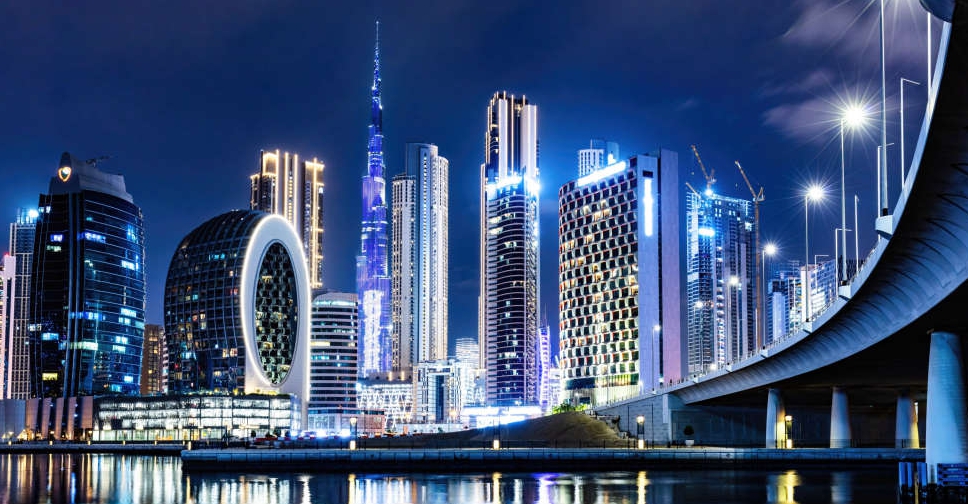
Dubai: Dubai’s economy has entered 2026 with strong momentum, underpinned by exceptional performance in the financial services and real estate sectors. Recent data from the Dubai International Financial Centre (DIFC) and property market indicators highlight the emirate’s growing role as a global financial and investment hub amid ongoing economic diversification.
DIFC Posts Strong Profit Growth and Expanding Corporate Base
The Dubai International Financial Centre reported a record 28% increase in net profit for 2025, driven by rising business activity, strong capital inflows, and growing demand for wealth management and financial services. According to official figures, DIFC’s net profit reached approximately USD 400 million, providing the financial strength to fund future expansion plans.
By the end of 2025, the number of active companies within DIFC rose to nearly 8,840, reflecting a year-on-year growth of around 28%, supported by a sharp rise in new registrations. Notably, new company registrations surged by nearly 40%, with hedge funds, asset managers, fintech firms, and professional service providers leading the inflows .
The DIFC ecosystem now includes more than 550 wealth and asset management firms, benefiting from Dubai’s zero corporate tax zones, common-law framework, and strategic geographic position connecting Asia, Europe, and Africa. DIFC authorities have also outlined long-term expansion plans valued at USD 27 billion, aimed at increasing capacity by 2040 and reinforcing Dubai’s position among the world’s top financial centres .
Real Estate Sector Begins 2026 with Historic Transaction Volumes
Dubai’s real estate market has delivered one of its strongest starts on record. In January 2026 alone, total property transactions reached AED 111 billion (USD 30.22 billion)—an 88% increase compared with January 2025. Market analysts report that land transactions accounted for over 56% of total deal value, highlighting continued institutional and long-term investor interest .
The surge in activity has been fueled by sustained demand for luxury residential units, high-end villas, branded residences, and commercial assets. International investors—particularly from Europe, Asia, and the Middle East—continue to view Dubai real estate as a hedge against global inflation and geopolitical uncertainty.
Price indicators further support market strength. Dubai’s residential price index rose by nearly 13% year-on-year by the end of 2025, with villas outperforming apartments due to lifestyle-driven demand and population growth .
Macroeconomic Stability Supports Investor Confidence
Dubai’s robust sectoral performance is underpinned by strong macroeconomic fundamentals. The UAE’s real GDP is estimated to have expanded by 5.4% in 2025, with non-oil GDP growth exceeding 5.5%, driven by financial services, construction, tourism, and technology . IMF projections indicate continued economic expansion, supported by diversification policies and sustained infrastructure investment .
Despite short-term volatility in oil prices and global markets, investor sentiment toward Dubai remains positive. Equity markets ended January 2026 on a strong note, while capital market activity and IPO pipelines continue to deepen across the UAE.
Outlook for 2026
Economists and market participants expect Dubai’s growth momentum to remain intact through 2026, though at a more measured pace in certain sectors. Continued regulatory reforms, long-term residency initiatives, and expanding financial and digital infrastructure are expected to support sustainable growth.
With DIFC strengthening its global footprint and real estate transactions reaching historic levels, Dubai appears well-positioned to consolidate its status as a resilient, diversified, and future-ready economy in an increasingly uncertain global environment.